With expert contributors from various parts of life, the Moanr™ Blog explore the cores:
Dynamics & Play: the "what" and "how" of physical exploration and kinks.
Connection & Communication: the "Heart" Category focused on the emotional intelligence and verbal agreements required for life.
Sexual Health & Safety: focusing on protection, physical prep, and clinical safety.
Holistic Wellness: focusing on the self, the psyche, and the broader context of a user's life.
The Moanr Guide: the fun things the Moanr™ app brings, centered on technical help and platform-specific advice.

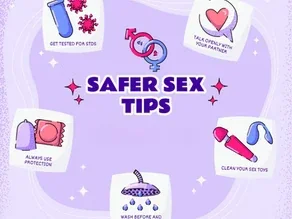
Did you know that sharing sex toys can actually transmit STIs just like sexual contact if you aren't careful? To keep things safe and hygienic, it's best to stick with non-porous materials like silicone or glass, since porous materials like rubber can trap nasty bacteria even after washing. If you do decide to share a toy or switch between body parts, make sure to wash it thoroughly with mild soap and warm water, or simply slip a fresh condom on it for extra protection. By keeping your gear clean and dry, you can focus on the fun without worrying about the risks!

Discover the importance of safe sex toy practices to prevent STIs. Learn how sharing is caring but safety is essential for health.

Let’s be real, while condoms are essential, imagine a world where STIs are completely eradicated! Science is actually moving us closer to that dream with exciting breakthroughs, like a potential cure for HPV and new vaccines for gonorrhea currently in development. Alongside game-changers like PrEP, these advancements are paving the way for a future of much safer intimacy. It really makes you wonder: if the health risks vanished, would we see the start of a massive new sexual revolution?

Explore how BDSM can enhance psychological resilience and relationship satisfaction. Discover why BDSM might be a prescription for a healthier life.

Dive into "Between the Sheets," a blog exploring sex, sexuality, and connection. Discover what sex truly means beyond the physical.

Explore the rise of "Friends with Benefits" relationships, focusing on safe sex and respect. Discover how to navigate modern intimacy responsibly.

Relying on a partner claiming to be "clean" can be risky since so many STIs, like chlamydia or HPV, often don't show any symptoms at all. It’s crucial to get tested regularly because factors like the "window period" mean a recent negative result doesn't always guarantee someone is infection-free. Instead of guessing, prioritize open conversations and ask your doctor for specific tests, as there isn't one universal swab for everything. Ultimately, staying proactive with your sexual health is the best way to take care of yourself and the people you play with!

Sexual consent is the absolute foundation of healthy intimacy, meaning it needs to be enthusiastic, specific, and freely given—not just the absence of a "no." Since consent is ongoing, it’s super important to keep checking in with your partner to ensure they’re still having a great time and to respect that they can change their mind at any point. Real consent builds trust and makes sex better for everyone, so remember: if it’s not a clear "heck yeah," then it’s definitely a no!
Discover how Moanr can enhance your sexual health and pleasure. If you're sexually active, Moanr is for you. Explore now for better intimacy.

While STIs can affect anyone, people in same-sex relationships often face unique risks due to specific sexual practices and social barriers like stigma. For example, men who have sex with men see higher rates of HIV and syphilis, while women who have sex with women are still susceptible to infections like HPV and herpes through skin-to-skin contact. To stay healthy, the article emphasizes the importance of regular, site-specific testing, getting vaccinated, and consistently using protection like condoms or dental dams. Ultimately, the best defense is having open, honest conversations with your partners and finding a non-judgmental doctor who truly understands your specific health needs.
It turns out that STI rates are still a major factor for Canadians aged 40–60, particularly for men and those living in Western or Northern provinces. Syphilis rates are notably high among men, and there are serious concerns about HPV leading to cancer since many people in this generation missed out on vaccinations in their youth. It's also worth noting that hidden infections like herpes or Trichomoniasis can actually increase your risk of acquiring HIV. The best move is to stay on top of your regular screenings and use protection, especially if you're starting a new relationship!

STIs are still pretty common across the U.S. and Canada, with millions of cases reported every year—especially among younger people aged 15 to 24. While the U.S. recently saw a promising slight drop in some infections like gonorrhea, other risks are rising, and it's important to remember that many infections don't show any symptoms at all. The best way to protect yourself is to stick with the basics: use condoms, look into vaccines for things like HPV, and get tested regularly so you know your status. New tools like at-home tests and post-exposure meds are also making it easier to take control of your sexual health, so don't be afraid to chat with a doctor about your options!

Sexual wellness is about way more than just dodging STIs; it’s a holistic mix of your physical, emotional, and mental well-being. To really thrive, it’s important to stay on top of the physical stuff like regular checkups while also nurturing your mind through boundaries and mindfulness. Healthy communication and respectful relationships are huge parts of the puzzle, helping you feel safe and connected with others. Ultimately, embracing this journey leads to a more empowered life filled with better intimacy, pleasure, and self-acceptance.