With expert contributors from various parts of life, the Moanr™ Blog explore the cores:
Dynamics & Play: the "what" and "how" of physical exploration and kinks.
Connection & Communication: the "Heart" Category focused on the emotional intelligence and verbal agreements required for life.
Sexual Health & Safety: focusing on protection, physical prep, and clinical safety.
Holistic Wellness: focusing on the self, the psyche, and the broader context of a user's life.
The Moanr Guide: the fun things the Moanr™ app brings, centered on technical help and platform-specific advice.

Discover how to communicate your sexual wants and needs. Explore microsexual & macrosexual communication, consent, and tech tools for empowered intimacy.
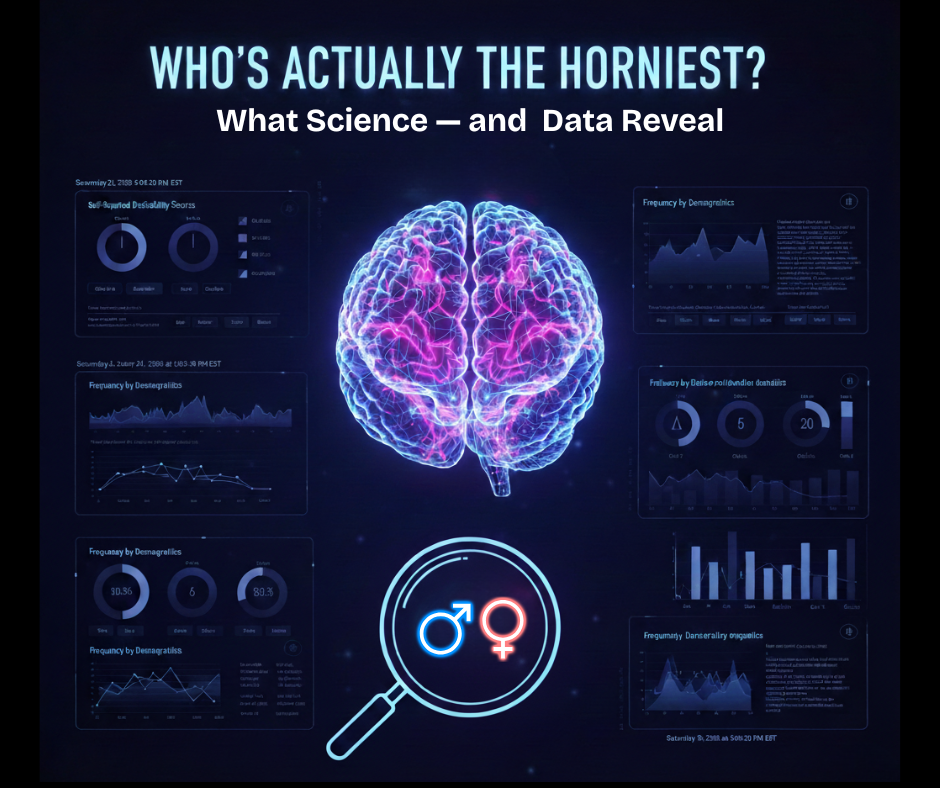
Sexual desire is endlessly debated: Is it men in their prime? Women in new relationships? Or is it all about sexual orientation? Let’s go deeper than stereotypes and look at what the latest research reveals—plus how the new Moanr app empowers you to understand your own desire, no matter where you fall on the spectrum.

Morning erections are a key indicator of men’s vascular and hormonal health. Regular morning erections suggest healthy blood flow, nerve function, and hormone levels, while noticeable changes can signal underlying health issues such as heart disease, hormonal imbalances, or stress. Tracking morning erections with wellness apps like Moanr helps men spot early signs of health changes, understand the impact of lifestyle factors, and have more informed conversations with healthcare providers. Paying attention to these natural signals empowers men to take proactive steps for their overall well-being.

Looking for the latest in sexual wellness, relationship tips, or men’s and women’s health insights? You are in the right place! While our web blog is packed with valuable articles, some of our most empowering, in-depth, and practical content is exclusive to the Moanr app for YOU!

Struggling with low libido during the winter “blue months”? Discover practical, science-backed tips to reignite your desire, boost your mood, and nurture intimac, even when it’s cold outside. We share how self-care, emotional connection, and small daily rituals can help you spark your sexual wellness all season long.

Seasonal Affective Disorder (SAD), or seasonal depression, is a type of depression that typically occurs during the fall and winter months when sunlight is limited. Symptoms include low mood, fatigue, changes in sleep and appetite, and loss of interest in activities—including sex. Let's discuss tips on how to manage the "winter blues" or anytime we face any form of depression.

Stay sexually healthy this winter with practical tips for STI prevention, immune support, and self-care. Learn how the Moanr app helps you track STI tests, communicate securely, and maintain wellness—even in cold months. Discover upcoming Moanr 2.0 features like period and mood tracking to support your sexual health all season long.

For a lot of men, “I feel fine” has become a sexual health strategy. No burning, no discharge, no weird bumps? Then everything must be okay…right?
Not quite.
When it comes to sexually transmitted infections (STIs), especially for men who are sexually active with multiple partners or in non‑monogamous relationships, “no symptoms” does not mean “no infection.” Many of the most common STIs in men are frequently asymptomatic — you can have them, pass them on, and never know until there’s a complication or a partner tests positive.
Regular STI testing isn’t an optional extra. It’s a core part of men’s sexual health.
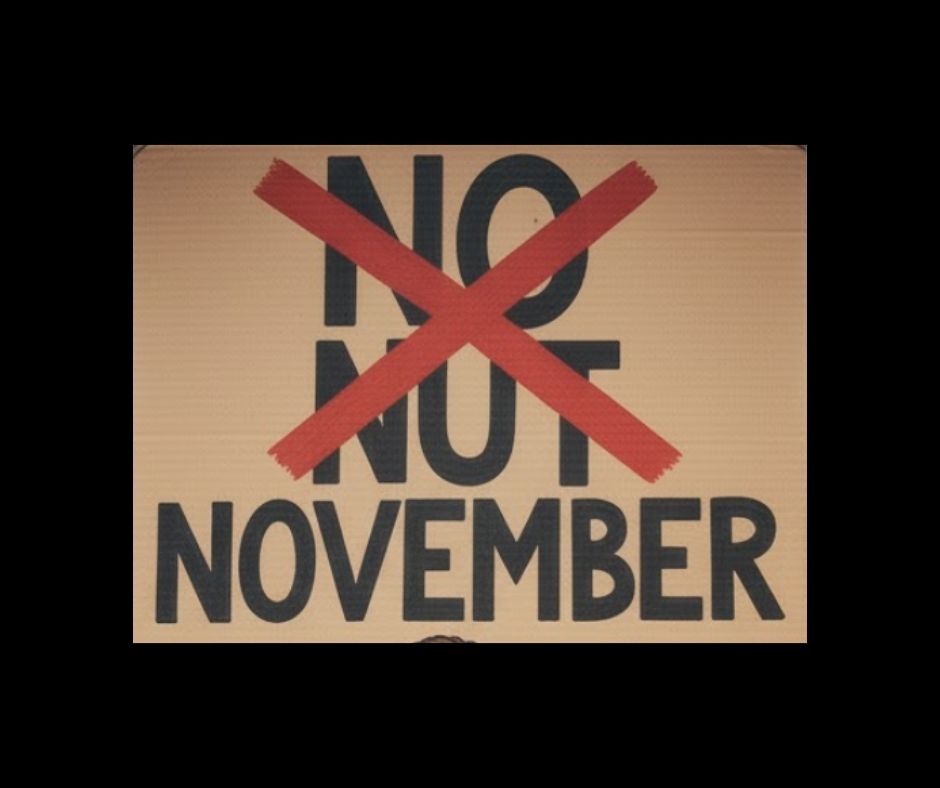
All over the media, we see No Nut November, pushing abstenance for the month with all of these ideas of what a man will benefit from if they particiapte. Media especially tells us No Nut November is important for men's health. Does science agree? We break it down for you.

In the rush of daily life, it’s easy to take our partners for granted. Whether you’re in a monogamous relationship, exploring polyamory, or embracing the swinging lifestyle, gratitude is the secret ingredient that transforms good connections into extraordinary ones.
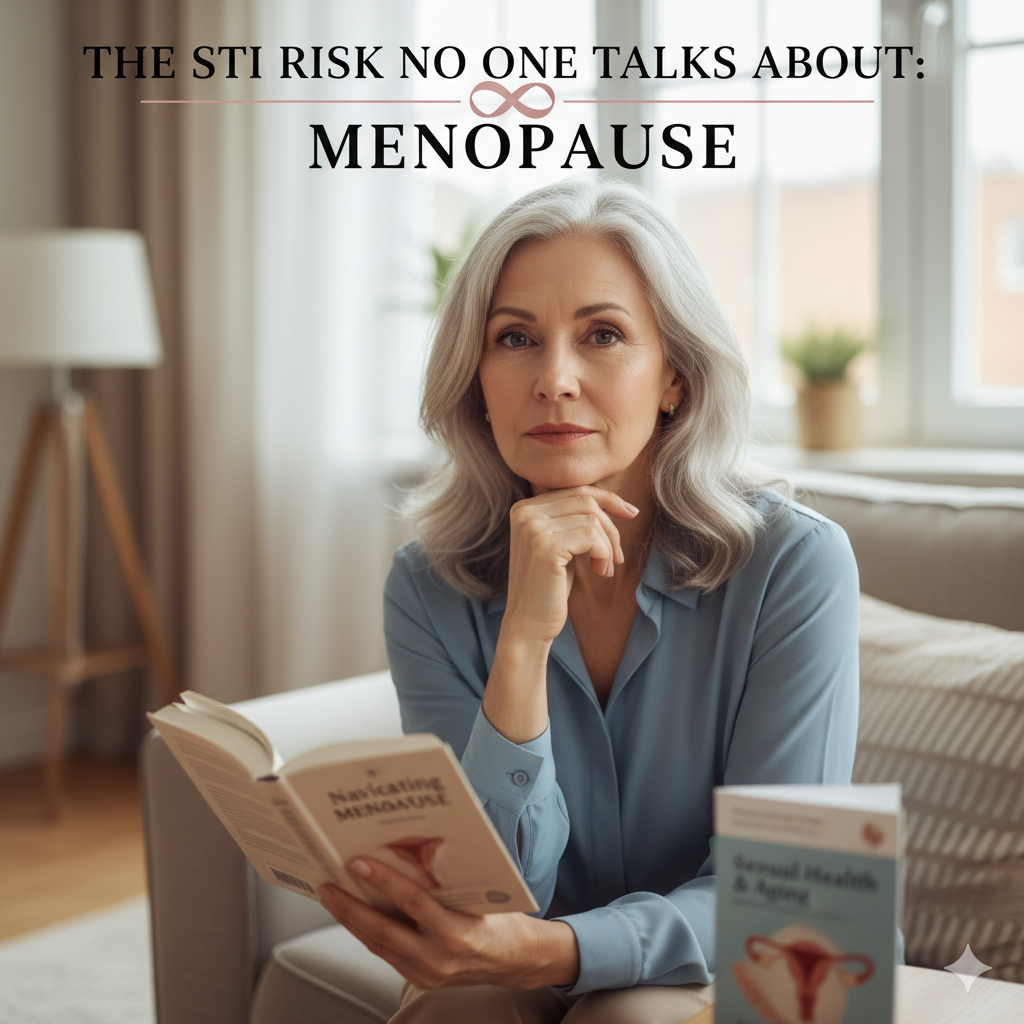
Now more than ever, we are seeing an increase in STI rates in the perimenopausal & menopausal ages. STI rates are significantly increasing among adults over 40, including perimenopausal and menopausal women, a demographic often mistakenly considered to be at low risk.

Discover the limits of PrEP in HIV prevention. Learn why PrEP isn't a free pass and how to complement it for comprehensive sexual health.

Divorce marks the end of one chapter and the beginning of another—but what happens to your sexual wellness in between?
Let's talk about something that affects millions of sexually active people every year, yet remains shrouded in unnecessary shame: STI testing and contracting an STI.
Here's the truth that needs to be said louder: Getting tested for STIs is responsible. Contracting an STI is common. And neither makes you dirty, careless, or less worthy of love and pleasure.

Halloween is the season when everyone gets to try on a different identity. But what happens when the mask you wear every day isn't a costume—it's a disguise hiding your true sexual self?

Cuffing season in open relationships requires the same skills that make ethical non-monogamy work year-round: clear communication, emotional honesty, flexibility, and respect for everyone's needs and boundaries.

Did you know that many dating and health apps actually track, store, and even sell your most intimate private data? It’s pretty concerning to think about where that info ends up, but a new app called Moanr is changing the game by offering military-grade encryption that happens right on your device. Unlike other platforms, they don't store or sell your details, meaning you are the only person who holds the keys to your health information. It gives you a safe, discreet way to share STI results via QR codes while keeping your digital footprint totally secure.

Entering the swinging lifestyle can feel like stepping into a whole new world—exciting, liberating, and maybe a little intimidating. While every community has its own vibe, there are universal unwritten rules that help everyone feel safe, respected, and welcomed. Whether you're brand new to the scene or looking to refine your approach, understanding these etiquette guidelines will help you build positive connections and enjoy the lifestyle to its fullest.

Explore practical strategies for honest relationships in Part 2 of Mastering Disclosure. Learn to navigate conversations and build trust today.

Examining the complexities of sharing personal information in intimate relationships. The central theme is that ethical disclosure is crucial for informed consent, enabling partners to make decisions about their sexual and emotional well-being.

Revamp your sexual health routine with a fall reset. Discover tips for refreshing your sexual health routine and set new goals this season.

Navigate STI conversations in polyamorous relationships with ease. Learn how to discuss sexual health openly and build trust in your network.

World Sexual Health Day is the perfect reminder that sexual wellness is a fundamental human right, and it’s about way more than just avoiding STIs—it’s about embracing pleasure and consent, too! The article highlights how important it is to break past the stigma and shame that often stop people from getting tested or having honest chats with their partners. To take control of your journey, focus on regular screenings, open communication, and finding privacy-focused tools that work for your specific lifestyle. Ultimately, whether you're monogamous or exploring other dynamics, prioritizing your sexual health is a huge part of your overall well-being.

Discover how to navigate STI & health talks in loud clubs. Learn strategies to keep it real in the club scene while safeguarding your health.

Explore why health convos should be as normal as asking someone's name. Dive into making health talks a natural part of lifestyle discussions.