
Beyond Condoms: The New After-Sex Protocol You Need to Know


If you’ve been hearing buzz about a new “morning-after pill” for STIs, that’s DoxyPEP—a single dose of antibiotics taken within 72 hours after sex that can dramatically slash your risk of bacterial infections like syphilis, chlamydia, and gonorrhea. With STI rates climbing, it’s quickly becoming a popular extra layer of defense, especially across the dating and ethically non-monogamous communities. Just keep in mind that it isn’t a cure-all: it won’t protect against viral infections like HIV or herpes, doesn't prevent pregnancy, and needs to be used responsibly to avoid antibiotic resistance. Overall, it’s an exciting new tool for your sexual health toolkit, but you'll still want to keep up with regular testing and chat openly with your doctor and partners to see if it’s right for you!
Men’s Sexual Health Is More Than “No Symptoms”: Why Regular STI Testing Still Matters

For a lot of men, “I feel fine” has become a sexual health strategy. No burning, no discharge, no weird bumps? Then everything must be okay…right?
Not quite.
When it comes to sexually transmitted infections (STIs), especially for men who are sexually active with multiple partners or in non‑monogamous relationships, “no symptoms” does not mean “no infection.” Many of the most common STIs in men are frequently asymptomatic — you can have them, pass them on, and never know until there’s a complication or a partner tests positive.
Regular STI testing isn’t an optional extra. It’s a core part of men’s sexual health.
The STI Risk No One Talks About: Menopause

Now more than ever, we are seeing an increase in STI rates in the perimenopausal & menopausal ages. STI rates are significantly increasing among adults over 40, including perimenopausal and menopausal women, a demographic often mistakenly considered to be at low risk.
PrEP isn’t a Free Pass: Understanding Its Limits

Discover the limits of PrEP in HIV prevention. Learn why PrEP isn't a free pass and how to complement it for comprehensive sexual health.
Time to Erase the Stigma: STI Testing and Diagnosis Are Part of Being Human
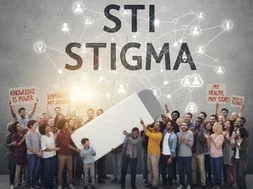
Let's talk about something that affects millions of sexually active people every year, yet remains shrouded in unnecessary shame: STI testing and contracting an STI.
Here's the truth that needs to be said louder: Getting tested for STIs is responsible. Contracting an STI is common. And neither makes you dirty, careless, or less worthy of love and pleasure.
If STIs were eradicated, would you have more sex?

Let’s be real, while condoms are essential, imagine a world where STIs are completely eradicated! Science is actually moving us closer to that dream with exciting breakthroughs, like a potential cure for HPV and new vaccines for gonorrhea currently in development. Alongside game-changers like PrEP, these advancements are paving the way for a future of much safer intimacy. It really makes you wonder: if the health risks vanished, would we see the start of a massive new sexual revolution?
Why "Clean" Isn't Enough: The Critical Importance of STI Testing

Relying on a partner claiming to be "clean" can be risky since so many STIs, like chlamydia or HPV, often don't show any symptoms at all. It’s crucial to get tested regularly because factors like the "window period" mean a recent negative result doesn't always guarantee someone is infection-free. Instead of guessing, prioritize open conversations and ask your doctor for specific tests, as there isn't one universal swab for everything. Ultimately, staying proactive with your sexual health is the best way to take care of yourself and the people you play with!
Sexually Transmitted Infection (STI) Risks in Same-Sex Relationships

While STIs can affect anyone, people in same-sex relationships often face unique risks due to specific sexual practices and social barriers like stigma. For example, men who have sex with men see higher rates of HIV and syphilis, while women who have sex with women are still susceptible to infections like HPV and herpes through skin-to-skin contact. To stay healthy, the article emphasizes the importance of regular, site-specific testing, getting vaccinated, and consistently using protection like condoms or dental dams. Ultimately, the best defense is having open, honest conversations with your partners and finding a non-judgmental doctor who truly understands your specific health needs.
STI rates of Canadians Aged 40-60 yrs of age
It turns out that STI rates are still a major factor for Canadians aged 40–60, particularly for men and those living in Western or Northern provinces. Syphilis rates are notably high among men, and there are serious concerns about HPV leading to cancer since many people in this generation missed out on vaccinations in their youth. It's also worth noting that hidden infections like herpes or Trichomoniasis can actually increase your risk of acquiring HIV. The best move is to stay on top of your regular screenings and use protection, especially if you're starting a new relationship!
Canadian & American STI risks, infection rates, transmission modes, and odds of contraction

STIs are still pretty common across the U.S. and Canada, with millions of cases reported every year—especially among younger people aged 15 to 24. While the U.S. recently saw a promising slight drop in some infections like gonorrhea, other risks are rising, and it's important to remember that many infections don't show any symptoms at all. The best way to protect yourself is to stick with the basics: use condoms, look into vaccines for things like HPV, and get tested regularly so you know your status. New tools like at-home tests and post-exposure meds are also making it easier to take control of your sexual health, so don't be afraid to chat with a doctor about your options!