
How to Keep Political Differences from Breaking Your Bond


Loving someone across the political aisle can feel like walking through a minefield, but differing views don't have to spell doom for your relationship. The secret is learning to soothe your nervous system before reacting, and having an agreed-upon “ejector seat” phrase or safe word to pause heated arguments before they turn personal. It also helps to get curious about the core values and fears behind your partner's beliefs rather than just attacking their vote, which makes finding common ground so much easier. At the end of the day, you don’t have to share a ballot to share a happy life—as long as you prioritize mutual respect, stay curious, and know where your non-negotiable dealbreakers lie!
Beyond Condoms: The New After-Sex Protocol You Need to Know

If you’ve been hearing buzz about a new “morning-after pill” for STIs, that’s DoxyPEP—a single dose of antibiotics taken within 72 hours after sex that can dramatically slash your risk of bacterial infections like syphilis, chlamydia, and gonorrhea. With STI rates climbing, it’s quickly becoming a popular extra layer of defense, especially across the dating and ethically non-monogamous communities. Just keep in mind that it isn’t a cure-all: it won’t protect against viral infections like HIV or herpes, doesn't prevent pregnancy, and needs to be used responsibly to avoid antibiotic resistance. Overall, it’s an exciting new tool for your sexual health toolkit, but you'll still want to keep up with regular testing and chat openly with your doctor and partners to see if it’s right for you!
What if the Stressed Partner is Actually You?

Have you ever thought your partner was acting distant, only to realize *you* were actually the stressed-out one bringing tension into the room? When our nervous system is running on empty, it's super easy to fall into the projection trap and blame our partner instead of recognizing our own physical exhaustion. By checking in with your own body's data—like sleep debt or heart rate—you can catch this stress early and stop an unnecessary argument in its tracks. Just let your partner know your system is feeling a bit fried, and ask for some simple co-regulation, like a long hug or a quiet moment together, so you can reset!
What Does Fidelity Mean in the Digital Age?

Navigating loyalty in the age of DMs, sneaky likes, and endless scrolling means fidelity is a lot more complicated than just the old "don't cheat" rule. Instead of relying on unspoken assumptions, it's super important to sit down with your partner and actively define what digital faithfulness looks like for your unique relationship. By openly discussing your boundaries around things like online flirting, privacy versus secrecy, and porn, you can avoid messy misunderstandings and build much stronger trust. Rather than snooping or policing each other's phones, focus on creating real emotional connections and remember to keep checking in with each other as your agreements evolve over time!
Lost in the Distance: How to Rebuild Connection When You Feel Adrift

Did you know that underneath almost every couple's argument is the simple, vulnerable question: *"Are you there for me?"* When we feel disconnected, our attachment styles kick in, often trapping us in a frustrating loop where one person chases for reassurance while the other pulls away to avoid feeling overwhelmed. To break this cycle, it helps to recognize that your partner's reaction is just a coping mechanism to find safety, not a lack of love. You can rebuild your bond by being fully present, validating their feelings, and remembering that true intimacy is all about repairing the connection, not just avoiding fights.
Burnout in the Bedroom: How High Cortisol is Stealing Your Connection

If your sex life has taken a backseat lately, don't panic—you probably don't have a relationship problem, you just have a nervous system issue. When you're overwhelmed by daily life, your body pumps out the stress hormone cortisol, locking you in a "fight-or-flight" survival mode that biologically shuts down your sex drive. To get your spark back, take the pressure off having sex and focus on *co-regulating* with your partner through low-stakes touch, deep breathing, or a quick 15-minute decompression chat. By recognizing that burnout is a physical barrier rather than a lack of love, you can stop feeling guilty and start teaming up to tackle the stress together!
Pressure Doesn't Build Distance. It Exposes It.

Have you ever noticed how a major life stressor can make you feel totally disconnected from your partner? This article drops a major truth bomb: pressure doesn't *create* that distance, it just exposes the emotional gaps that were already forming during your everyday, ordinary moments. To build a truly bulletproof connection, it's super important to practice emotional vulnerability and learn each other's "stress signatures" on a random Tuesday rather than waiting for a crisis to hit. By communicating your needs early and learning how to calm each other down before things get hard, you'll build a solid foundation that can weather absolutely any storm.
Life Outside the Bedroom: Navigating Dry Spells and Body Image Vulnerability

Going through a dry spell or struggling with body image is completely normal, so don't panic—it definitely doesn't mean your relationship has lost its spark! Instead of forcing things, try taking the pressure off by exploring intimacy beyond just sex, like through cuddling, sharing fun fantasies, or having honest conversations about what makes you feel safe and desired. Since our sex drives naturally fluctuate with stress and life, keeping tabs on your sexual health and mood patterns (like using a tracker such as *Moanr*) can really help you understand what your body actually needs. At the end of the day, a little patience, open communication, and zero-pressure touch are the best ways to get that connection flowing again!
How To Co-Regulate the Nervous System: Emotional Support Your Partner Needs During Job Loss & Grief

When your partner is going through something heavy like a job loss, the best way to support them is through co-regulation, which simply means being a calm, grounding presence. Instead of rushing to fix their problems or forcing positivity, take a step back to validate their feelings and ask whether they need advice, comfort, or just a listening ear. Keep in mind that major stress and grief can really shift your sex life, so it's totally normal to focus on low-pressure intimacy like holding hands or just sitting together on the couch. At the end of the day, you don't need to have the perfect words—you just need to show them they have a safe, steady teammate to help navigate the storm!
Why Emotional Safety Might Be the Sexiest Thing in a Relationship: Inside Sphere 2
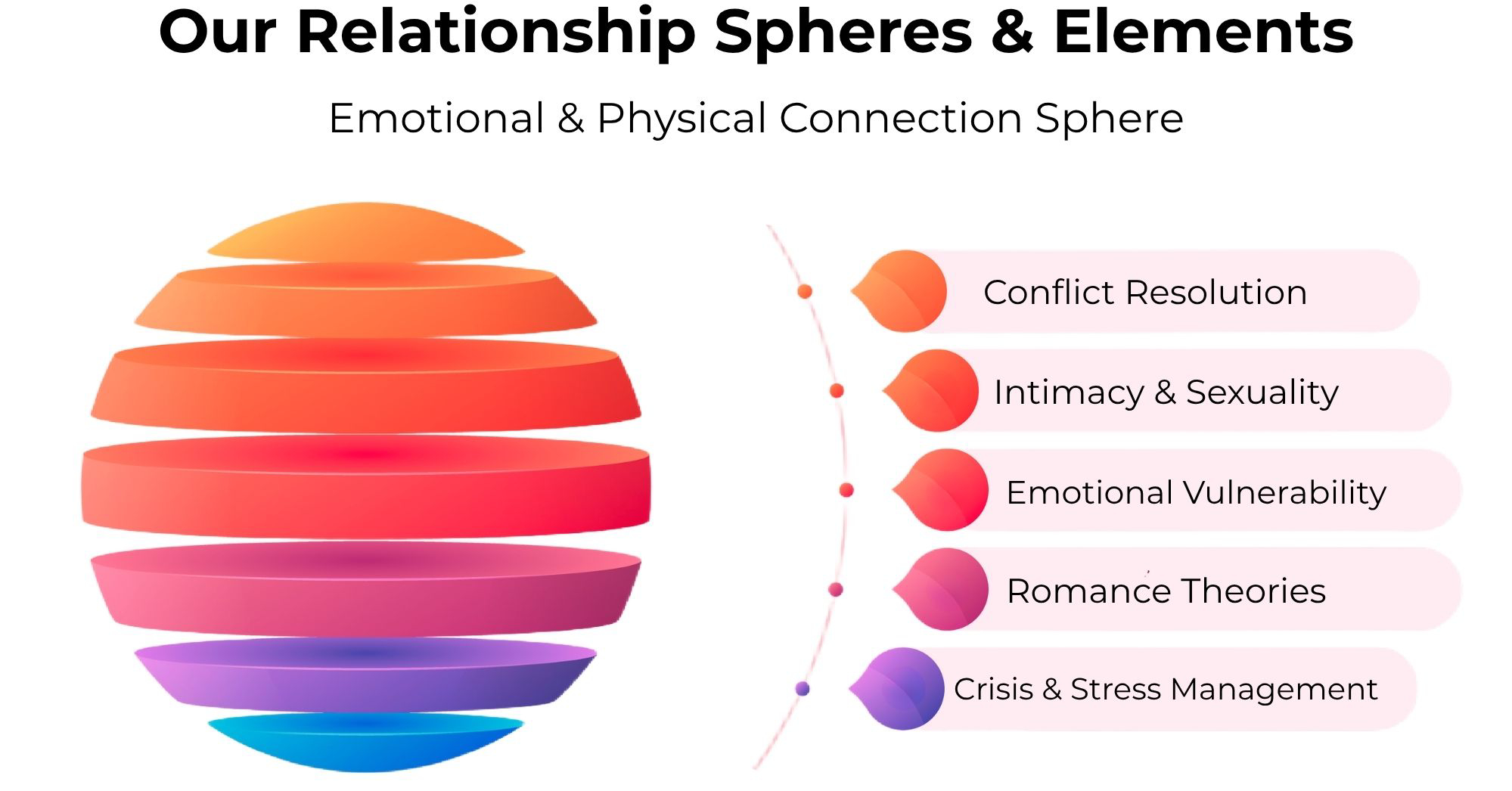
While physical attraction might spark a romance, creating a sense of emotional safety is the real secret to keeping your relationship hot and stable over time. True intimacy is built on how well you and your partner navigate the tricky stuff together, like handling conflicts without cruelty, sharing your deepest insecurities, and talking about mismatched sex drives without any shame. By intentionally showing up for each other during stressful times and understanding how your partner feels loved, you build a resilient bond that acts like "relationship insurance." Ultimately, when you feel totally secure and cared for, your physical and emotional connection can run deeper than ever!
Beginner’s Guide to Bottoming: How to Talk, Prep, and Explore Safely

If you're curious about trying bottoming, the best place to start is with an open, honest conversation with your partner to establish your boundaries and set up a safe word. When you're ready to explore physically, remember the golden rules: take things slow, start small with fingers or beginner toys, and use lots of lube! Make sure to keep communicating throughout the experience, and remember that it's totally okay to stop or take a break whenever you need to. Finally, don't skip the aftercare—cuddling, hydrating, and checking in afterward are essential for building trust and a deeper connection.