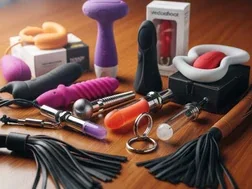
Sexual toys are fun! We all have our favorites. Sometimes they are only for us. Other times we want to share. Did you know you are stil at risk of an STI if I share your toys? Just because your body parts aren’t touching someone else’s doesn’t mean you don’t need to take precautions. You can still get an STI if you don’t take proper care when sharing sex toys. STIs can be transmitted via shared sex toys through the transfer of bodily fluids (semen, vaginal fluids, blood, pre-cum) or through skin-to-skin contact with an infected area. If a person with an STI uses a sex toy, and it's not cleaned properly before another person uses it, the STI can potentially be spread.
Any STI that can be transmitted through sexual contact can theoretically be spread through shared sex toys. This includes:
- Bacterial STIs: Chlamydia, Gonorrhea, Syphilis. While the risk is considered "negligible" for some like chlamydia and gonorrhea according to one source, transmission is still possible if bodily fluids are present.
- Viral STIs: Herpes (high risk), HPV (high risk), HIV (low risk), Hepatitis B and C (risk if blood is present).
- Other Infections: Bacterial vaginosis (BV), yeast infections, and even fecal bacteria can be transferred via shared toys, especially if used anally and then vaginally without cleaning.
- Porous vs. Non-Porous Materials: The material of the sex toy plays a significant role in the risk of STI transmission.
- Non-porous materials like silicone, glass, and stainless steel are easier to clean thoroughly as they don't have small holes that can trap bacteria or viruses.
- Porous materials like rubber, vinyl, and TPR/TPE can have microscopic pores that can harbor pathogens even after washing. These materials are considered higher risk for STI transmission if shared.
- Importance of Cleaning: Thorough cleaning of sex toys before and after each use, and especially between different users, is crucial to minimize the risk of STI transmission.
- Using Condoms: Using a new condom on a sex toy every time it is used by a different person or on a different body part significantly reduces the risk of STI transmission.
Specific Risk Levels (According to one source):
- Negligible Risk: Chlamydia, Gonorrhea, Syphilis, Hepatitis B.
- Low Risk: HIV.
- High Risk: HPV, Herpes.
General Recommendations to Reduce STI Risk When Using Sex Toys:
- Ideally, each person should have their own sex toys. This eliminates the risk of cross-contamination.
- If sharing is unavoidable, use a new condom on the sex toy for each user and each time it's used on a different body part (e.g., vagina to anus).
- Choose sex toys made from non-porous materials like silicone, glass, or stainless steel, as they are easier to clean effectively.
- Clean sex toys thoroughly with warm water and soap or a specialized sex toy cleaner after every use and before a new person uses them. Follow the manufacturer's instructions for cleaning. Some non-motorized toys made of non-porous materials can be boiled or put in the dishwasher for more thorough cleaning.
- Avoid sharing porous sex toys. If you do share them, always use a condom.
- Regular STI testing is important for all sexually active individuals, regardless of the specific practices.
Sexual toys are fun! We all have our favorites. Sometimes they are only for us. Other times we want to share. Did you know you are stil at risk of an STI if I share your toys? Just because your body parts aren’t touching someone else’s doesn’t mean you don’t need to take precautions. You can still get an STI if you don’t take proper care when sharing sex toys. STIs can be transmitted via shared sex toys through the transfer of bodily fluids (semen, vaginal fluids, blood, pre-cum) or through skin-to-skin contact with an infected area. If a person with an STI uses a sex toy, and it's not cleaned properly before another person uses it, the STI can potentially be spread.
Any STI that can be transmitted through sexual contact can theoretically be spread through shared sex toys. This includes:
- Bacterial STIs: Chlamydia, Gonorrhea, Syphilis. While the risk is considered "negligible" for some like chlamydia and gonorrhea according to one source, transmission is still possible if bodily fluids are present.
- Viral STIs: Herpes (high risk), HPV (high risk), HIV (low risk), Hepatitis B and C (risk if blood is present).
- Other Infections: Bacterial vaginosis (BV), yeast infections, and even fecal bacteria can be transferred via shared toys, especially if used anally and then vaginally without cleaning.
- Porous vs. Non-Porous Materials: The material of the sex toy plays a significant role in the risk of STI transmission.
- Non-porous materials like silicone, glass, and stainless steel are easier to clean thoroughly as they don't have small holes that can trap bacteria or viruses.
- Porous materials like rubber, vinyl, and TPR/TPE can have microscopic pores that can harbor pathogens even after washing. These materials are considered higher risk for STI transmission if shared.
- Importance of Cleaning: Thorough cleaning of sex toys before and after each use, and especially between different users, is crucial to minimize the risk of STI transmission.
- Using Condoms: Using a new condom on a sex toy every time it is used by a different person or on a different body part significantly reduces the risk of STI transmission.
Specific Risk Levels (According to one source):
- Negligible Risk: Chlamydia, Gonorrhea, Syphilis, Hepatitis B.
- Low Risk: HIV.
- High Risk: HPV, Herpes.
General Recommendations to Reduce STI Risk When Using Sex Toys:
- Ideally, each person should have their own sex toys. This eliminates the risk of cross-contamination.
- If sharing is unavoidable, use a new condom on the sex toy for each user and each time it's used on a different body part (e.g., vagina to anus).
- Choose sex toys made from non-porous materials like silicone, glass, or stainless steel, as they are easier to clean effectively.
- Clean sex toys thoroughly with warm water and soap or a specialized sex toy cleaner after every use and before a new person uses them. Follow the manufacturer's instructions for cleaning. Some non-motorized toys made of non-porous materials can be boiled or put in the dishwasher for more thorough cleaning.
- Avoid sharing porous sex toys. If you do share them, always use a condom.
- Regular STI testing is important for all sexually active individuals, regardless of the specific practices.