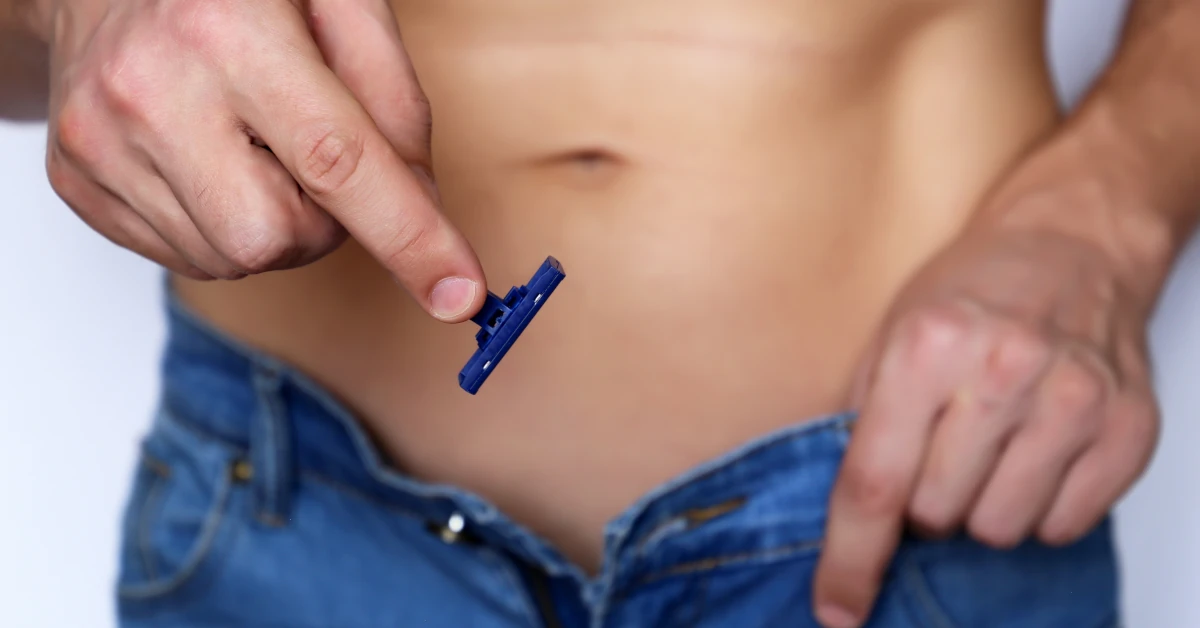
If you're debating whether to shave your pubic hair, you should know that rocking a natural "bush" is actually making a huge comeback right now! Shaving down there is totally a personal choice and definitely not a hygiene requirement, especially since using a manual razor comes with risks like cuts, ingrown hairs, and even a higher chance of infections. If you still want to groom without the razor burn, you can try alternatives like trimming, waxing, or laser removal. Ultimately, your pubic hair acts as a natural protective barrier, so whether you go bare or all-natural, just do whatever makes you feel the most comfortable!



As the weather warms up, more skin comes out—think shorts, skirts, and the return of beach season. Maybe you are out in the dating scene or maybe you are in the swing scene and are connected to a new lover, or maybe you are looking for new ways to spice things up in your relationship. For many, this means revisiting hair removal routines, especially in our private, intimate areas. But is shaving your private parts still in vogue? What are the real risks, and what alternatives do you have?
Body hair trends are shifting. Gen Z, in particular, is embracing a natural look and keeping the “bush,” challenging older beauty standards that equated smooth skin with desirability. The latest surveys show that personal choice and comfort are now prioritized over outdated social norms.
Before you go run for that razor, remember, shaving your genitals isn’t risk-free. In fact, it’s the most injury-prone method of pubic hair removal:
Common issues cam include cuts, ingrown hairs, irritation, and even infections. The skin in the genital area is delicate, and shaving can easily cause microtears that increase infection risks, including making your risk of STIs increase.
As the weather warms up, more skin comes out—think shorts, skirts, and the return of beach season. Maybe you are out in the dating scene or maybe you are in the swing scene and are connected to a new lover, or maybe you are looking for new ways to spice things up in your relationship. For many, this means revisiting hair removal routines, especially in our private, intimate areas. But is shaving your private parts still in vogue? What are the real risks, and what alternatives do you have?
Body hair trends are shifting. Gen Z, in particular, is embracing a natural look and keeping the “bush,” challenging older beauty standards that equated smooth skin with desirability. The latest surveys show that personal choice and comfort are now prioritized over outdated social norms.
Before you go run for that razor, remember, shaving your genitals isn’t risk-free. In fact, it’s the most injury-prone method of pubic hair removal:
Common issues cam include cuts, ingrown hairs, irritation, and even infections. The skin in the genital area is delicate, and shaving can easily cause microtears that increase infection risks, including making your risk of STIs increase.

Sexual health and performance specialist focusing on the intersection of physiological vitality and lived experience. Tracy Daly provides a knowledgeable, shame-free space for the LGBTQIA+ community and those in CNM/ENM relationship structures, advocating for sexual agency through behavior change and radical inclusivity.